One of the most critical choices every online business must make is selecting its e-commerce platform. Many businesses are still having issues with scaling their stores to reach significant amounts of sales per month. The e-commerce platform that you select will play a large part in determining where your business ends up in terms of total sales volume.
While most U.S.-based e-commerce businesses generally choose one of three primary e-commerce platforms: Shopify, BigCommerce, or WooCommerce, they all support online selling but differ in the following areas: ease of use, pricing, customizability, and long-term scalability.
As part of Saasreviewer, we have written several articles about different types of tools and have noticed several similarities regarding the best software of each type.
This article will provide you with an overview of three e-commerce platforms (Shopify, BigCommerce, and WooCommerce) so you can make an informed decision about which platform to use in 2026!
Why Choosing the Right Platform Matters?
Your e-commerce platform controls almost everything in your online business.
It manages:
- Store design
- Checkout experience
- Payments
- Inventory
- SEO performance
- Marketing tools
- Overall speed
Switching platforms later creates real problems. You lose time, money, and sometimes search rankings.
That is why your first decision matters.
Just like we explained in HR SaaS systems, your core platform should support both current operations and future growth.
Shopify vs BigCommerce vs WooCommerce
| Platform | Type | Best For | Difficulty |
| Shopify | SaaS | Beginners and growing stores | Easy |
| BigCommerce | SaaS | Scaling businesses | Medium |
| WooCommerce | Open-source | Custom stores | Advanced |
Shopify
Small and mid-size businesses continue to favor using Shopify as their preferred e-commerce solution. It provides all of the tools necessary to establish an e-commerce site without requiring any technical knowledge or expertise. Launching an online store can be done quickly using the website management console or admin dashboard for monitoring all aspects of the online store from a single view.
Key Features
- Website builder
- Payment system
- Inventory management
- Mobile optimization
- App marketplace
- Marketing tools
Pros
- Easy setup
- Fast launch process
- Secure hosting included
- Large app ecosystem
- Strong support system
Cons
- Monthly subscription cost
- Extra transaction fees
- Limited deep customization without apps
Best For
- New entrepreneurs
- Small businesses
- Dropshipping stores
- Fast-growing brands
Shopify works best when speed matters. You can launch in hours and start selling quickly.
Many startups choose Shopify because it removes technical barriers. That simplicity is also its biggest strength.
BigCommerce
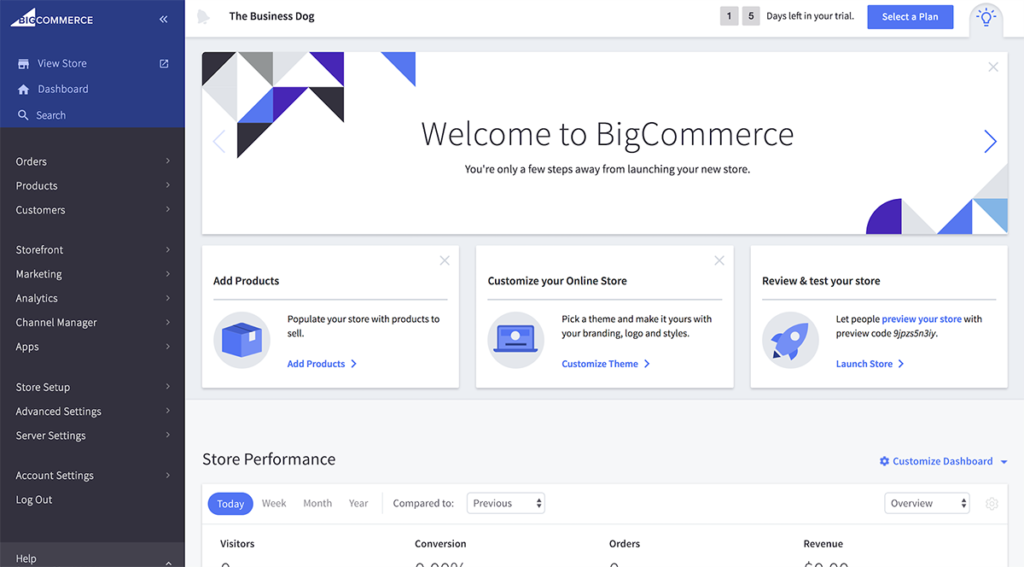
BigCommerce has positioned itself as a solution for brands that require long-term development and growth. Integrated into the application are many additional features that do not rely on external third-party applications as much as Shopify does.
Key Features
- Advanced SEO tools
- Multi-channel selling
- Built-in analytics
- No transaction fees
- B2B selling tools
- Product management system
Pros
- Strong SEO structure
- Highly scalable system
- Fewer extra app costs
- Better built-in features
- Strong catalog handling
Cons
- The learning curve is higher
- Pricing increases at scale
- Fewer design themes
Best For
- Growing businesses
- Large product catalogs
- B2B companies
- Scaling brands
BigCommerce works best when you are serious about scaling. It reduces dependency on external tools and keeps everything inside one system.
WooCommerce
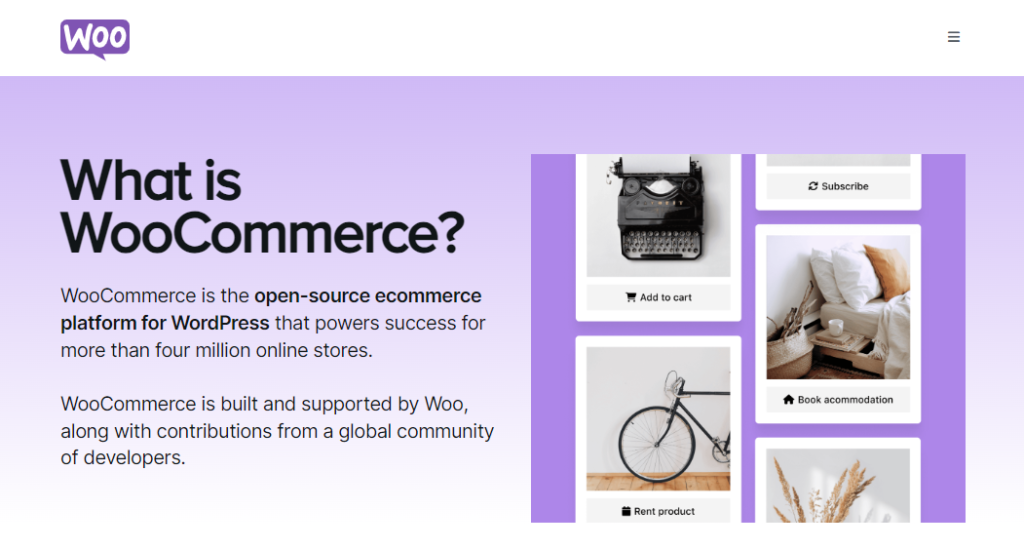
WooCommerce is a WordPress-based e-commerce system that allows for total control over how you run your online store. Unlike both Shopify and BigCommerce applications, you will handle all aspects of hosting, protection, and personalization through your use of purchase posts, product descriptions, and store management.
Key Features
- Full customization options
- Plugin ecosystem
- Strong SEO control
- Flexible checkout system
- Unlimited products
- Custom integrations
Pros
- No platform subscription fee
- Maximum customization
- Strong SEO control
- Large plugin ecosystem
Cons
- Requires hosting setup
- Technical management needed
- Security responsibility is yours
- Maintenance overhead
Best For
- Developers
- Custom e-commerce stores
- Content-driven websites
- Advanced users
WooCommerce gives freedom, but that freedom comes with responsibility. You manage everything from performance to security.
Pricing Comparison
Shopify Pricing
- Basic: ~$39/month
- Standard: ~$105/month
- Advanced: ~$399/month
Extra costs include:
- Apps
- Themes
- Transaction fees
BigCommerce Pricing
- Standard: ~$39/month
- Plus: ~$105/month
- Pro: ~$399/month
Extra costs include:
- Themes
- Apps
No transaction fees apply.
WooCommerce Pricing
WooCommerce is free to install.
But real costs include:
- Hosting: $10–50/month
- Themes: $50–200
- Plugins: $50–500/year
- Developer support
WooCommerce looks cheaper at first, but it can become expensive over time.
Ease of Use Comparison
Easiest: Shopify
Shopify is built for non-technical users. You can manage most tasks without coding.
Moderate: BigCommerce
BigCommerce offers more features but needs more learning time.
Most Complex: WooCommerce
WooCommerce requires:
- Hosting setup
- Plugin management
- Updates
- Security handling
It works best for technical users.
SEO Capabilities
SEO plays a major role in long-term traffic.
- WooCommerce: WooCommerce offers the strongest SEO control because it runs on WordPress.
- BigCommerce: BigCommerce provides strong built-in SEO features and a clean site structure.
- Shopify: Shopify offers good SEO support but limited deep customization without apps.
Scalability
- Shopify: Shopify works well for small and mid-sized businesses. It also supports enterprise growth.
- BigCommerce: BigCommerce is built for scaling companies and handles large catalogs easily.
- WooCommerce: WooCommerce scales without limits, but it depends on hosting quality.
Security
- Shopify: Shopify provides fully managed security and SSL protection.
- BigCommerce: BigCommerce includes automatic updates and secure hosting.
- WooCommerce: WooCommerce security depends on your hosting and plugins.
When to Choose Shopify
Choose Shopify if:
- You want a fast setup
- You prefer simplicity
- You need reliable support
- You want a managed system
When to Choose BigCommerce
Choose BigCommerce if:
- You plan to scale
- You need advanced features
- You manage large product catalogs
- SEO matters for your business
When to Choose WooCommerce
Choose WooCommerce if:
- You want full control
- You already use WordPress
- You have technical support
- You need deep customization
Which Platform is Best for Small Businesses?
- Most small businesses choose Shopify because it is simple and fast.
- WooCommerce works better for content-heavy websites.
- BigCommerce fits businesses that expect fast growth.
E-commerce Trends in 2026
Several trends are shaping online stores:
- AI product recommendations
- Mobile-first shopping
- Faster checkout systems
- Multi-channel selling
- Automation in marketing
- Personalized shopping experiences
Modern platforms already support these features.
Migration Considerations
Switching platforms is not simple.
Migration includes:
- Product data
- Customer records
- Order history
- SEO rankings
- Store design
Choosing the right platform early avoids these issues.
Final Verdict
Every e-commerce platform has a specific purpose.
- Shopify is better for ease of use
- BigCommerce is better for increasing sales volume
- WooCommerce is better for having complete control over how your site looks and works
The best choice will depend on your business type, how skilled you are with technology, and how much you plan on expanding.
The majority of businesses will use Shopify first, then, if they decide to expand, they will use BigCommerce, but if they want complete control over everything, they will go with WooCommerce.
When determining what will be the best e-commerce platform for your business, you cannot only look at how powerful it is, but also that it will allow you to operate your business as you intended to and help grow your business effectively.