
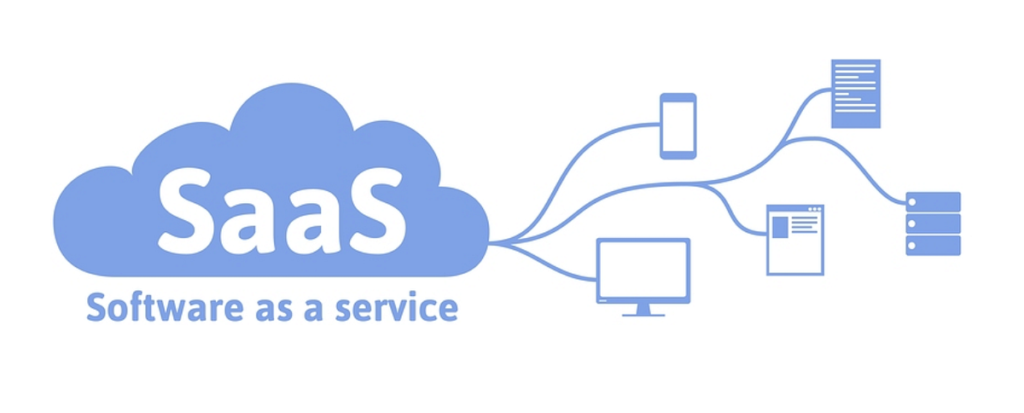
Today, the modern-day business operation is the central nervous system. The Software as a Service (SaaS) industry is one of the major drivers of productivity, whether you are a single creator or one of the largest multinational corporations. There are roughly 30,000+ SaaS companies globally, and because of this extensive choice in SaaS applications, it creates a paradox of choice to a degree that complicates each purchase decision.
At Saasreviewer.io, we know that an impartial review will provide more information than just a feature list. Our reviews provide the necessary critical piece that can save a company thousands of dollars in subscription fees. To that end, we have developed our stringent testing standards and our “Experience First” methodology for evaluating the software.
Why Experience-Driven Reviews Matter?
In light of Google’s latest core algorithm changes, experience-driven content has a higher priority than ever before. Writers would often write reviews by paraphrasing a software landing page without testing the product. This method does not instill confidence in readers or Google, as today’s market demands.
At Saasreviewer.io, we believe that “real” SaaS reviews are generated based on hands-on testing. Our company spends numerous hours testing the software from each tool’s dashboard, settings, integrations, and workflows to see how it functions in practical applications.
We do not just echo the marketing claims for the product, but we will look for usability flaws, hidden limitations, and workflow friction for any possible issues that existing users will run into. This experience-first approach generates realistic and useful reviews that are useful for businesses and professionals alike.
Our 10-Step Testing Methodology
At SaaS Reviewer, we have developed a standardized internal review process for each SaaS solution we review to ensure consistently high quality of our reviews.
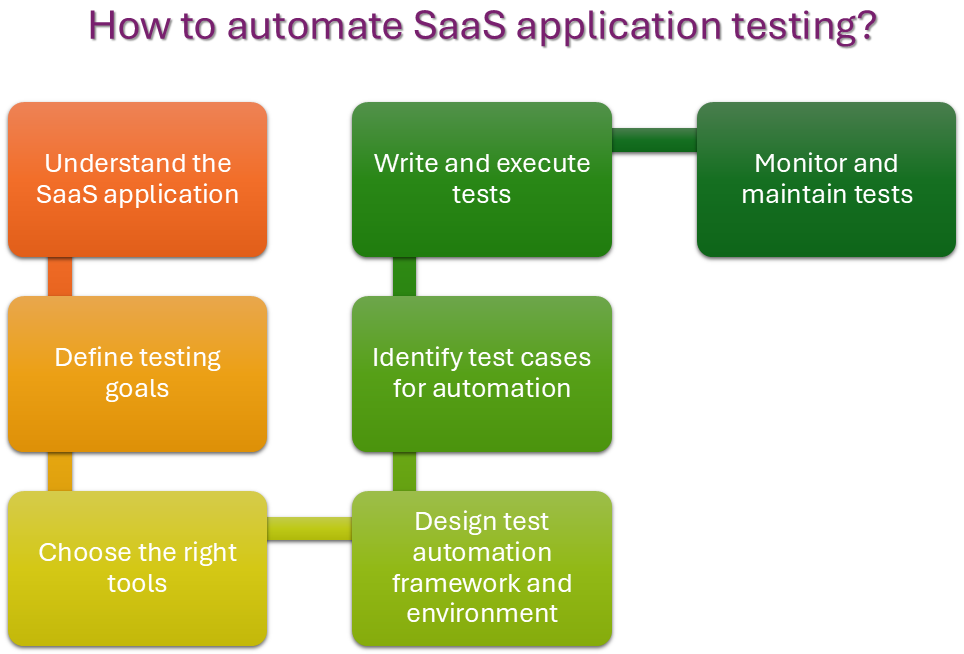
Step 1: Account Setup and Onboarding
New apps have an initial impression based on the ease and speed of the user account creation and onboarding process. We assess the total time taken for a new user to sign up and begin using the product (the speed at which a meaningful action can be taken within the app) by documenting all the steps taken during the process.
Step 2: User Interface (UI) and Experience (UX)
A powerful tool provides no benefit if the interface feels cluttered. We analyze the layout and the responsiveness of every menu. Our team looks for “Dark Patterns” that trick users into unwanted actions. You deserve a clear and honest design.
Step 3: Core Feature Deep-Dive
During our review process, we isolate the software’s key features, or as we refer to them, its “Power Features”; for example, if we are evaluating a CRM, we will isolate lead management as one of the CRM’s Power Features, or if we are reviewing an SEO tool. We will evaluate the accuracy of the keyword data provided by the tool. We will then compare the results of our tests to industry benchmarks to verify SaaS marketers’ claims.
Step 4: Integration Ecosystem
Modern SaaS tools must communicate with each other effectively. We test native integrations with platforms like Slack and Google Workspace. A tool that exists in a vacuum rarely represents a good investment for a growing business.
Step 5: Mobile Accessibility
Many reviewers ignore the mobile version of a product. We test iOS and Android versions to ensure you can work on the go. A tool that only works on a large monitor limits your team’s flexibility.
Step 6: Speed and Performance Benchmarking
Latency kills productivity in a fast-paced environment. We use technical tools to measure dashboard load times and data processing speeds. Software gets a lower score if it feels heavy or laggy during normal use.
Step 7: Pricing Strategy Analysis

In the pricing review, we want to avoid looking at price per user and flat rate. In our review, we examine the cost of add-ons (example: Fee associated with basic security) that may not be immediately visible in the pricing and storage restrictions.
Step 8: Customer Support Audit
In an audit of the support team, we will ask a technical question to support and evaluate the quality of the response we receive: whether the response comes from a knowledgeable person or a non-descriptive bot (which has become very common). The quality of support has a large impact on whether you can complete tasks that may be interrupted by small faults or the complete failure of the task.
Step 9: Security and Compliance

Data privacy is a major concern for all digital businesses. Each business should be provided with proof (ISO certification or other) of data privacy to protect customers’ interests. If a provider has a vague answer to a question about how they will store your company data, they are creating a risk to you as a customer. Our reports will clearly identify this risk.
Step 10: Comparison with Market Leaders
No tool exists in total isolation. We always ask if a better version exists for the same price. Our team compares the software against at least two direct competitors. This provides the balanced perspective you need to choose wisely.
Decoding the “Pro vs. Con” Philosophy
A review that has no cons is really just an advertisement, and we have rules that help maintain our transparency approach. For every piece of content we create, at least three legitimate weaknesses will be identified.
Our focus is to highlight weaknesses that most people would not see. For example, an inexpensive project management software may lack certain views or not have sufficient flexibility in its basic product. An online video editing application may not be able to export files fast enough for commercial use. Knowing about these weaknesses can help build trust in the long run.
The Economic Impact of SaaS Mismanagement
According to our research, companies are losing nearly 30% of their SaaS budget through tools they do not utilize. In the majority of cases, this is a result of teams purchasing software based solely on marketing hype. Our reviews provide a way to avoid these costly mistakes.
SaaS review has utilized our expertise in categorizing SaaS software by ideal usage to assist users in making buying decisions. For example, small businesses and non-profits typically need multi-functional software at a low price point. Agencies look for SaaS tools that facilitate client collaboration. Finally, enterprise-level companies typically place more weight on security/permissions than on any other criteria.
How Do We Maintain Editorial Independence?
Affiliate marketing represents the biggest challenge in the review industry. Our editorial team stays separate from our partnerships team to ensure honesty.
Writers receive instructions to remain brutally honest at all times. We update our reviews immediately if a software update ruins the user experience. Our priority remains your wallet rather than a vendor’s commission.
Understanding the Future of SaaS: AI and Beyond
The SaaS landscape shifts toward Artificial Intelligence very quickly. Every tool claims to be “AI-powered” in the current market. We determine if this AI provides actual utility for your business.
Our team evaluates the accuracy of AI-generated content. We check if the AI requires heavy manual editing to be useful. We also analyze the cost of these features. You need to know if the AI feature is a “pay-per-credit” trap.
Frequently Asked Questions
Are SaaS reviews trustworthy?
The only way to truly trust a review is if that review is completely transparent. Find reviews that contain screenshots taken from actual software in use as well as very specific numerical data points from users. Do NOT trust sites that only display stock images and the same general type of language.
Why do some tools get thousands of five-star ratings?
Certain reviews are created by the vendor and are awarded for taking or submitting them by users. There are still professional editorial reviews because vendors cannot purchase our opinions. We will always tell you the truth rather than provide gifts.
How often do businesses need to perform audits of their SaaS tools?
At a minimum, we recommend that all businesses perform SaaS audits quarterly. Many software vendors change their pricing on a consistent basis, and new vendors enter the market every month.
Does Saas Reviewer help you find niche software?
As an organization, we love to help people find “hidden gems” in the software market. Many times. Small companies are offering much better value than large, established software vendors. We provide information about all major software vendors as well as new and innovative solution providers.
Final Verdict: Your Partner in Digital Growth
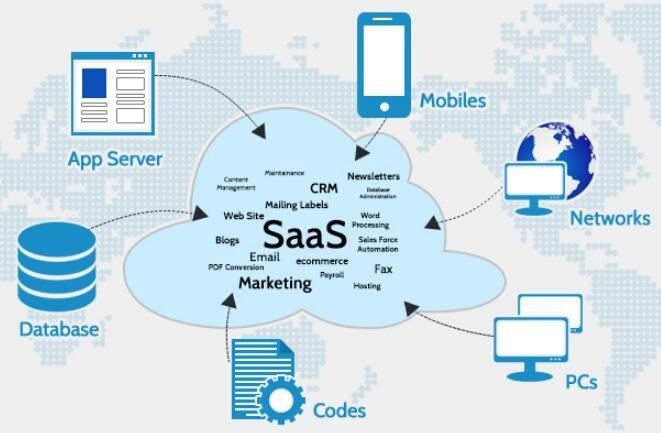
The choice of software will shape your organisation through a strategic software selection process that will impact not only the culture of the team but also your own level of anxiety.
At Saasreviewer.io, we do not take this task lightly; we are committed to developing a knowledge base. Our in-depth software reviews will assist you in selecting the most effective tools for your unique journey; whether it be for an email solution or a full ERP system, we will continue to be a partner in your digital evolution.

Pingback: SaaS Tools Dominating USA 2026: 10 Most Powerful & Surprising Tools - saasreviewer.io
Pingback: How to Evaluate SaaS Security: The Ultimate 2026 Checklist for Founders
Pingback: Saasreviewer.io vs Saasworthy: 5 Reasons We Are Better in 2026 - saasreviewer.io