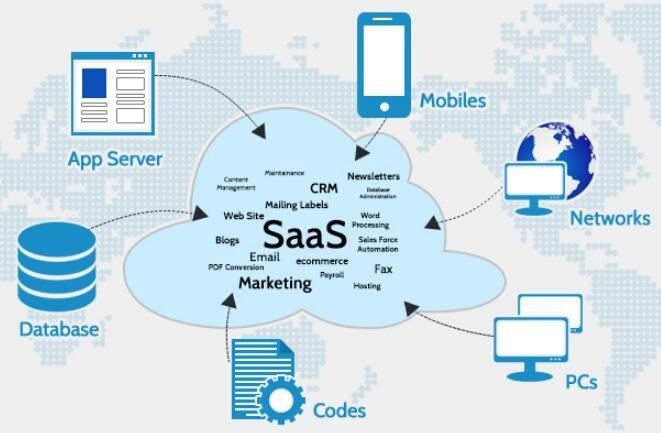
Healthcare organizations rely heavily on technology to provide high-quality patient care. Digital tools are currently used for making appointments, communicating with patients, sending invoices, providing telehealth services, and storing patient information in electronic health records. Healthcare providers require software that aids in productivity and provides security for sensitive patient data.
HIPAA compliance is still a major concern for all healthcare organizations. Every organization that processes or stores any Protected Health Information (PHI) must adhere to strict guidelines regarding the privacy and security of these records; if an organization fails to comply with the guidelines, it may be subject to heavy fines, loss of business, and damage to its reputation.
Today’s SaaS solutions assist organizations in meeting their HIPAA compliance requirements. These cloud-based solutions can provide security when accessing data by utilizing automatic updates and sophisticated security controls. Additionally, many SaaS solutions have capabilities that support Business Associate Agreements (BAAs), audit logs, encryption, and identity management.
This guide will provide an overview of the top HIPAA-compliant SaaS solutions available to healthcare providers in 2026, as well as identify which features are most significant to consider when selecting a healthcare software platform.
Why HIPAA-Compliant SaaS Matters
Healthcare organizations handle a massive amount of sensitive data every single day. From patient records and treatment histories to insurance details and payment information, all of this data needs to be well-protected. That’s where HIPAA comes in, laying down the rules for how organizations should collect, store, share, and access this vital information.
Traditional on-premises systems can be a real drain, requiring costly infrastructure and constant maintenance. On the other hand, SaaS platforms offer a more adaptable solution. They allow healthcare providers to securely access applications from anywhere, all while simplifying operations.
A trustworthy HIPAA-compliant SaaS platform does more than just ensure compliance; it also boosts workflow efficiency, enhances patient engagement, and improves care coordination. Organizations that embrace modern healthcare technology often see a significant uptick in operational performance and better outcomes for their patients.
1. Amazon Web Services (AWS)
Amazon Web Services (AWS) stands out as one of the most reliable cloud platforms in the healthcare sector. It offers HIPAA-compliant services that facilitate secure storage, analytics, application hosting, and data management.
Healthcare organizations often turn to AWS due to its impressive scalability. Whether it’s a small clinic, a healthcare network, or a large hospital system, the platform can adapt to meet varying needs, allowing organizations to expand their resources as their requirements change.
Additionally, AWS boasts robust security features. Healthcare teams benefit from tools for encryption, identity management, compliance monitoring, and threat detection services. For eligible services, a Business Associate Agreement is also available, helping organizations stay compliant with HIPAA regulations.
Best For:
Healthcare organizations that need extensive cloud infrastructure and sophisticated analytics.
2. Microsoft Azure for Healthcare
Detect AI-generated content and transform it into something that feels more human with our AI Content Detector. Just paste your text, and you’ll receive accurate, natural-sounding results in no time!
Here’s the text we’re looking at: Microsoft Azure brings together robust cloud infrastructure tailored for the healthcare sector. It enables seamless interoperability, secure data sharing, and application development all within a compliant framework. Azure is designed to support healthcare standards like FHIR, allowing organizations to link clinical systems, patient apps, and third-party platforms through secure integrations.
One of Azure’s standout features is its strong security measures. It provides access management, encryption, compliance reporting, and threat protection, which many healthcare providers find invaluable. Plus, the smooth integration with other Microsoft products is a big bonus.
Best For:
Hospitals and healthcare organizations that need interoperability and scalable cloud solutions.
3. Zoom for Healthcare
Telehealth has truly become a vital component of today’s healthcare landscape. Patients are looking for easy access to care, while providers need secure ways to communicate. That’s where Zoom for Healthcare comes in, offering a HIPAA-compliant video platform tailored specifically for medical organizations. With this tool, providers can hold virtual consultations, follow-up appointments, and care coordination sessions all within a secure setting. The platform is user-friendly, making it simple for patients to join their appointments, which ultimately boosts accessibility and satisfaction.
Best For:
Healthcare providers seeking dependable and secure virtual care solutions
4. Doxy.me
Doxy.me focuses entirely on telemedicine. The platform operates through a web browser and eliminates the need for software installation.
Many small practices prefer Doxy.me because of its simplicity. Patients can access appointments through a secure link and enter a virtual waiting room before consultations begin.
The platform supports HIPAA compliance and provides a streamlined telehealth experience for providers and patients.
Best For:
Independent practices, behavioral health providers, and specialty clinics.
5. Athenahealth
Athenahealth serves as a cloud-based Electronic Health Record (EHR) and practice management platform. The solution helps healthcare organizations manage clinical documentation, scheduling, billing, and patient engagement activities.
The platform supports interoperability and simplifies administrative workflows. Healthcare providers can access real-time claims information and automated eligibility verification tools.
Athenahealth also incorporates HIPAA-focused security controls that help organizations protect patient information.
Best For:
Multi-specialty practices that require integrated clinical and administrative tools.
6. Sophos Intercept X
Cybersecurity remains one of the biggest concerns in healthcare. Sophos Intercept X provides advanced endpoint protection that helps organizations defend against ransomware, malware, and other cyber threats.
The platform uses artificial intelligence to identify suspicious activity and prevent attacks before damage occurs. Healthcare organizations benefit from real-time threat intelligence and automated response capabilities.
Strong cybersecurity controls support HIPAA compliance efforts and reduce the risk of costly data breaches.
Best For:
Healthcare organizations that prioritize endpoint security and ransomware protection.
7. Salesforce Health Cloud
Salesforce Health Cloud helps healthcare providers strengthen patient relationships and improve care coordination. The platform combines customer relationship management capabilities with healthcare-specific functionality.
Providers can access unified patient profiles, communication histories, care plans, and outreach tools from a single interface. The platform also supports population health initiatives and personalized patient engagement strategies.
Health Cloud enables organizations to improve communication and deliver a more connected patient experience.
Best For:
Healthcare organizations that focus on patient engagement and care coordination.
HIPAA-Compliant SaaS Comparison Table
| Platform | Primary Purpose | Best For |
| AWS | Cloud Infrastructure | Large healthcare organizations |
| Azure | Healthcare Cloud Solutions | Enterprise providers |
| Zoom for Healthcare | Telehealth | Virtual consultations |
| Doxy.me | Telemedicine | Small practices |
| Athenahealth | EHR and Practice Management | Multi-specialty clinics |
| Sophos Intercept X | Cybersecurity | Data protection |
| Salesforce Health Cloud | CRM and Patient Engagement | Care coordination |
How to Choose the Right HIPAA-Compliant SaaS Platform
Verify Business Associate Agreements
A vendor should provide a Business Associate Agreement if the platform handles Protected Health Information. The agreement defines security and compliance responsibilities.
Assess Security Features
Strong security controls protect patient data from unauthorized access. You should evaluate encryption standards, audit logs, access controls, and threat monitoring capabilities.
Review Integration Capabilities
Healthcare systems depend on data exchange. Platforms that support APIs, HL7, and FHIR standards simplify interoperability across applications.
Consider Scalability
Healthcare organizations evolve. A scalable platform can support additional users, locations, and services without major disruptions.
Evaluate Vendor Support
Reliable support can reduce downtime and resolve issues quickly. Healthcare organizations should assess training resources, onboarding assistance, and technical support options.
Future Trends in Healthcare SaaS
Artificial intelligence continues to influence healthcare technology. Many SaaS vendors now offer predictive analytics, workflow automation, and intelligent reporting capabilities.
Healthcare interoperability also remains a major priority. Organizations increasingly seek solutions that support seamless data exchange across systems and providers.
Cybersecurity investments will continue to grow as threat activity increases. Healthcare organizations need stronger defenses to protect patient information and maintain compliance.
Cloud-native healthcare platforms will also gain wider adoption because they provide flexibility, scalability, and operational efficiency.
Final Thoughts
Healthcare providers face increasing pressure to improve efficiency while protecting patient data. HIPAA-compliant SaaS platforms help organizations meet those goals through secure, scalable, and feature-rich solutions.
AWS, Azure, Zoom for Healthcare, Doxy.me, Athenahealth, Sophos Intercept X, and Salesforce Health Cloud each address specific healthcare needs. The right choice depends on your organization’s goals, operational requirements, and compliance priorities.
A thoughtful software strategy can improve patient experiences, strengthen security, and support long-term growth. Healthcare organizations that invest in the right technology position themselves for success in an increasingly digital healthcare environment.
FAQs
What is HIPAA-compliant SaaS?
HIPAA-compliant SaaS refers to cloud-based software that meets HIPAA requirements for handling Protected Health Information. These platforms include security controls such as encryption, access management, and audit logging.
Why do healthcare providers need HIPAA-compliant software?
Healthcare organizations handle sensitive patient information every day. HIPAA-compliant software helps protect that information and reduces compliance risks.
What is a Business Associate Agreement (BAA)?
A Business Associate Agreement is a contract between a healthcare organization and a vendor. The agreement outlines responsibilities related to the protection of Protected Health Information.
Are all cloud platforms HIPAA-compliant?
No. A cloud platform must provide appropriate security controls and support a Business Associate Agreement before healthcare organizations can use it for Protected Health Information.
Which HIPAA-compliant SaaS tool is best for telehealth?
Zoom for Healthcare and Doxy.me remain popular choices because they provide secure virtual consultation capabilities and healthcare-focused features.
How does HIPAA-compliant SaaS improve patient experience?
These platforms support secure communication, faster scheduling, virtual care services, and improved care coordination. Patients benefit from more convenient access to healthcare services.
Can small clinics afford HIPAA-compliant SaaS platforms?
Yes. Many vendors offer scalable pricing models that suit small practices and independent healthcare providers.
What security features should I look for in healthcare SaaS?
Key features include encryption, access controls, audit logs, multi-factor authentication, threat monitoring, and compliance reporting capabilities.
Why is interoperability important in healthcare software?
Interoperability enables systems to exchange information efficiently. Better data exchange improves care coordination and reduces administrative challenges.
What healthcare SaaS trends will shape 2026?
Artificial intelligence, predictive analytics, cloud-native platforms, stronger cybersecurity controls, and improved interoperability will continue to shape healthcare technology investments.