In 2026, real estate investing in the United States is no longer just about finding undervalued properties. It is about how fast and intelligently you can act on opportunities. Whether you are flipping houses, wholesaling deals, or building a long-term rental portfolio, your success hinges on one critical factor: how well you manage your leads, relationships, and deal pipeline.
This is where CRM (Customer Relationship Management) software becomes a game-changer.
However, not all CRMs are built for real estate investors. Unlike traditional sales teams, investors face unique challenges in handling property-specific data, juggling multiple stakeholders, and navigating long, unpredictable deal cycles. As a result, modern CRM platforms have evolved to include AI-powered insights, automation, and real estate-specific integrations.
In this comprehensive SaaSReviewer.io guide, we break down the top 7 CRM software platforms for real estate investors in 2026, based on real-world usage, feature depth, scalability, and market trends in the U.S.
Why Real Estate Investors Need Specialized CRM Software
Real estate investing is fundamentally different from standard sales workflows. Investors often deal with:
- High-volume inbound and outbound leads from multiple channels
- Long and inconsistent deal cycles
- Multiple stakeholders (buyers, sellers, agents, contractors, lenders)
- Property-specific data, contracts, and documentation
- Time-sensitive opportunities where speed determines success
Traditional CRMs fall short in addressing these needs. That is why modern investor-focused CRMs now offer:
- AI-powered lead scoring to prioritize high-intent sellers
- Automated follow-ups via email, SMS, and calls
- Custom deal pipelines tailored to real estate workflows
- MLS and listing platform integrations
- Predictive analytics to forecast deal success
In today’s competitive U.S. market, studies show that speed-to-lead can make or break a deal. Investors who respond within minutes, rather than hours, see significantly higher conversion rates. CRM automation makes this possible.
1. Zoho CRM; Best Overall for Investors
Overview
Zoho CRM stands out as one of the most well-rounded CRM solutions for real estate investors. It combines affordability, scalability, and advanced automation, making it suitable for both beginners and growing teams.
Key Features
- AI assistant (Zia) for lead scoring and predictions
- Workflow automation for repetitive tasks
- Custom deal pipelines for different investment strategies
- Integration with accounting, marketing, and communication tools
Why It Works for Investors
Zoho CRM’s flexibility allows you to manage multiple investment models, like flipping, wholesaling, and rentals, all within a single platform. You can create custom pipelines for each strategy and automate follow-ups based on the deal stage.
Best For
It is best for Investors scaling from solo operations to mid-sized teams who need a balance of cost and capability.
2. Follow Up Boss; Best for Lead Conversion
Overview
Follow Up Boss is purpose-built for real estate professionals and focuses heavily on one thing: converting leads into deals.
Key Features
- Instant lead routing from platforms like Zillow
- Automated follow-up sequences (calls, SMS, email)
- Built-in dialer and communication tracking
- Team collaboration and accountability tools
Why It Works
Speed is everything in real estate. Follow Up Boss ensures that every lead is contacted instantly. It significantly increases conversion rates.
Best For
Wholesalers and high-volume investors handling large inbound lead pipelines.
3. HubSpot CRM; Best Free CRM for Beginners
Overview
HubSpot CRM remains one of the most popular entry-level CRMs globally, and for good reason. It offers a powerful free plan with intuitive features.
Key Features
- Free plan with unlimited users
- Contact and deal pipeline management
- Email templates and automation
- AI-powered insights and reporting
Why It Works
New investors often struggle with organization. HubSpot provides a clean, user-friendly interface that helps structure your workflow without overwhelming complexity.
Best For
Beginner investors or small teams looking for a cost-effective starting point.
4. Pipedrive: Best for Deal Pipeline Management
Overview
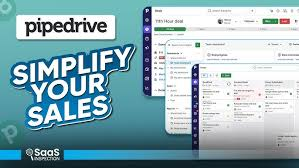
Pipedrive is widely known for its visual pipeline interface, making it ideal for tracking deals step by step.
Key Features
- Drag-and-drop pipeline management
- Activity reminders and scheduling
- Sales forecasting tools
- Integration with email and communication apps
Why It Works
Real estate deals involve multiple stages, that is, from lead acquisition to closing. Pipedrive makes it easy to visualize where each deal stands. It helps investors stay organized and focused.
Best For
Investors who prioritize workflow clarity and deal tracking.
5. Lofty; Best AI-Powered CRM

Overview
Lofty is one of the most advanced AI-driven CRMs tailored specifically for real estate professionals.
Key Features
- AI-generated marketing campaigns
- Automated lead qualification
- Predictive analytics for deal success
- Social media content automation
Why It Works
Lofty uses AI to identify high-intent buyers and sellers. It allows investors to focus only on the most promising opportunities.
Best For
Tech-savvy investors who want to leverage AI for growth and efficiency.
6. LionDesk; Best Budget-Friendly CRM

Overview
LionDesk offers a strong feature set at an affordable price. It is ideal for smaller operations.
Key Features
- Video email and SMS marketing
- AI assistant for lead engagement
- Automated drip campaigns
- Built-in calling system
Why It Works
LionDesk delivers high value at a low cost. It gives solo investors access to powerful tools without a large financial commitment.
Best For
It is best for Solo investors or budget-conscious users managing moderate deal flow.
7. BoomTown; Best for Lead Generation
Overview
BoomTown is a premium CRM designed for teams that prioritize lead generation and scale marketing.
Key Features
- Built-in lead capture tools and landing pages
- Paid ad integration (Google, Facebook)
- AI-driven analytics and forecasting
- Combined CRM + website platform
Why It Works
BoomTown is ideal for Investors who rely heavily on digital marketing strategies because it excels at generating and nurturing leads.
Best For
Large investment firms and marketing-driven teams.
Comparative Overview
| CRM | Best for | AI Capabilities | Ease of use | Pricing |
| Zoho CRM | All-around investors | High | Medium | Affordable |
| Follow-up boss | Lead conversion | Medium | High | Mid |
| HubSpot CRM | Beginners | Medium | Very high | free-Mid |
| Pipedrive | Deal tracking | Medium | Very high | Mid |
| Lofty | AI automation | Very high | Medium | Mid |
| LionDesk | Budget users | Medium | High | Low |
| Boom Town | Lead generation | High | Medium | High |
Key Trends in Real Estate CRM (2026)
1. AI Is Driving Deal Intelligence
AI is no longer optional; it is becoming central to how investors operate. Platforms like Lofty analyze behavior, engagement, and property data to identify high-probability deals.
2. Speed-to-Lead Is Critical
Responding to leads within minutes dramatically improves conversion rates. CRMs with automation and instant notifications give investors a competitive advantage.
3. All-in-One Platforms Are Taking Over
Investors increasingly prefer CRMs that combine:
- Marketing
- Communication
- Pipeline management
- Analytics
This reduces the need for multiple tools and simplifies operations.
4. Mobile-First Workflows
In 2026, many investors operate on the go. CRM platforms now prioritize mobile usability, enabling deal management from anywhere.
How to Choose the Right CRM as an Investor
Choosing the right CRM depends on your business model, budget, and growth stage.
Choose Zoho CRM if:
- You want flexibility and scalability
- You need strong automation and AI features
- You manage multiple investment strategies
Choose Follow Up Boss if:
- Your business depends on fast lead response
- You generate high lead volumes
- Conversion speed is your priority
Choose HubSpot CRM if:
- You are just starting out
- You want a free and easy-to-use solution
Choose BoomTown if:
- You need aggressive lead generation
- You operate at scale with a marketing-heavy strategy
Final Thoughts
In 2026, real estate investing is no longer just about finding deals, it is about managing them intelligently and efficiently.
The right CRM can help you:
- Respond faster to leads
- Automate repetitive tasks
- Identify high-value opportunities
- Scale your operations
The key insight is;
The best CRM is the one that your team actually uses consistently.
For most investors:
- Zoho CRM offers the best balance of features and value
- Follow Up Boss excels in conversion speed
- HubSpot CRM is perfect for beginners
- Lofty leads in AI-driven growth
For SaaSReviewer.io readers, the takeaway is clear:
The future of real estate investing belongs to those who combine data, automation, and speed. And the right CRM is where that transformation begins.
Frequently Asked Questions
1. What is the best CRM for real estate investors in 2026?
The best CRM depends on your business model and scale. Zoho CRM is a top all-around choice for flexibility and automation, while Follow Up Boss excels in lead conversion. For beginners, HubSpot CRM is a strong starting point.
2. Do real estate investors really need a CRM?
Yes. A CRM helps investors manage leads, track deals, automate follow-ups, and improve conversion rates. Without a system like Pipedrive or Zoho CRM, it becomes difficult to scale operations efficiently.
3. Which CRM is best for wholesaling real estate?
Follow Up Boss is one of the best options for wholesalers due to its fast lead response and automation features. LionDesk is also a budget-friendly alternative for managing high-volume leads.
4. What CRM do most real estate investors use in the USA?
Many U.S.-based investors use platforms like Zoho CRM, HubSpot CRM, and BoomTown, depending on their size and marketing strategy.
5. Is there a free CRM for real estate investors?
Yes. HubSpot CRM offers a robust free version with contact management, deal tracking, and basic automation, making it ideal for new investors starting out.
6. Which CRM is best for managing rental properties?
For rental property management, Zoho CRM works well due to its customization capabilities. It allows investors to track tenants, leases, and property details within a single system.
7. Are AI-powered CRMs useful for real estate investing?
Absolutely. AI-powered CRMs like Lofty help investors identify high-quality leads, automate outreach, and predict deal outcomes by saving time and improving ROI.
8. Which CRM is easiest to use for beginners?
HubSpot CRM and Pipedrive are among the easiest CRMs to use. They offer intuitive interfaces, quick setup, and minimal training requirements.
9. Can a CRM help generate real estate leads?
Yes. Platforms like BoomTown are specifically designed to generate and nurture leads through landing pages, ads, and automated follow-ups.
10. How much does a real estate CRM cost?
Costs vary widely:
- HubSpot CRM offers a free plan
- LionDesk is budget-friendly
- BoomTown is a premium solution
Most investors spend between $0 and $ 1,000 per month, depending on features and team size.