
Real estate in the United States has become increasingly digital. From lead generation and client management to virtual tours and transaction coordination, modern agents rely on software to stay competitive.
In 2026, successful real estate professionals are not just great salespeople; they are also efficient users of technology.
That is where SaaS (Software as a Service) tools come in. Instead of juggling spreadsheets, emails, and paperwork, real estate agents can now manage their entire workflow through cloud-based platforms.
At Saasreviewer, we have emphasized across previous guides, including Best Cybersecurity SaaS 2026, Top HR & Payroll SaaS Tools, and Best E-commerce Platforms 2026, that the best SaaS tools simplify complex work. For real estate agents, the right tools can mean faster closings, better client relationships, and higher commissions.
This guide explores the best SaaS tools for real estate agents in the USA in 2026, including CRMs, marketing platforms, transaction tools, and productivity solutions.
Why Real Estate Agents Need SaaS Tools
Real estate agents handle dozens of tasks at once:
- Managing leads
- Scheduling showings
- Communicating with clients
- Marketing listings
- Tracking deals
- Managing documents
- Following up with prospects
These tasks quickly become overwhelming without the right tools.
Categories of SaaS Tools for Real Estate
Most real estate SaaS tools fall into several categories:
- CRM software
- Marketing tools
- Transaction management
- Scheduling tools
- Document signing
- Listing management
The best agents use a combination of these tools.
1. CRM Software: HubSpot
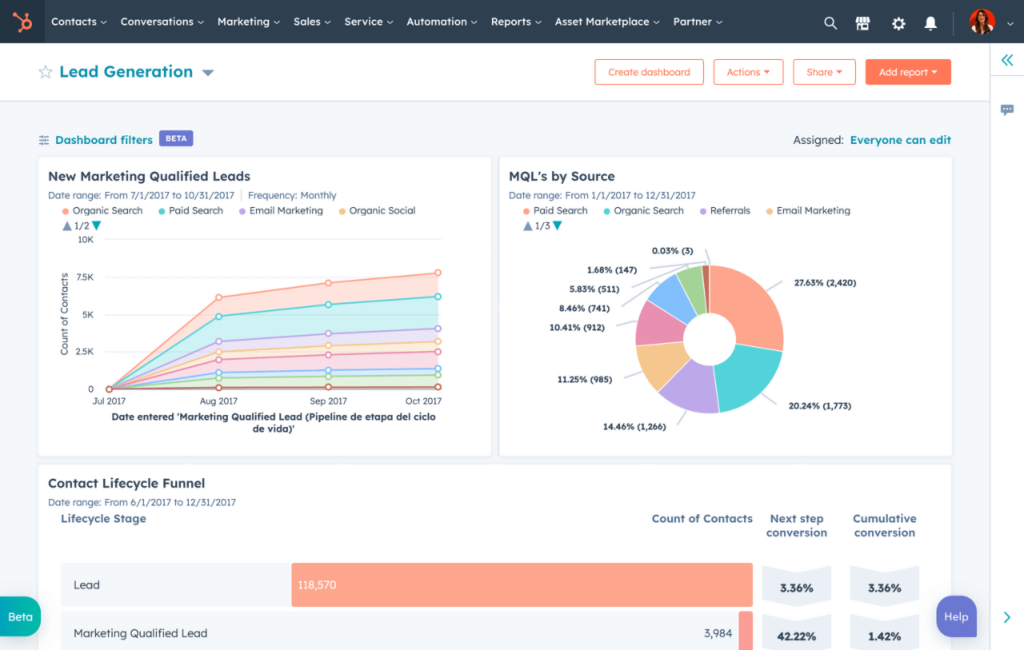
A CRM (Customer Relationship Management system) is the backbone of a real estate business.
HubSpot helps agents track leads and manage client relationships.
Key Features
- Contact management
- Email tracking
- Lead pipelines
- Automation
- Reporting
Why is it Useful
Agents can track every interaction with potential buyers and sellers.
Best For
It is best for Agents building long-term client relationships.
CRMs help businesses stay organized and improve follow-up, both of which are critical in real estate.
2. Real Estate CRM: Follow Up Boss
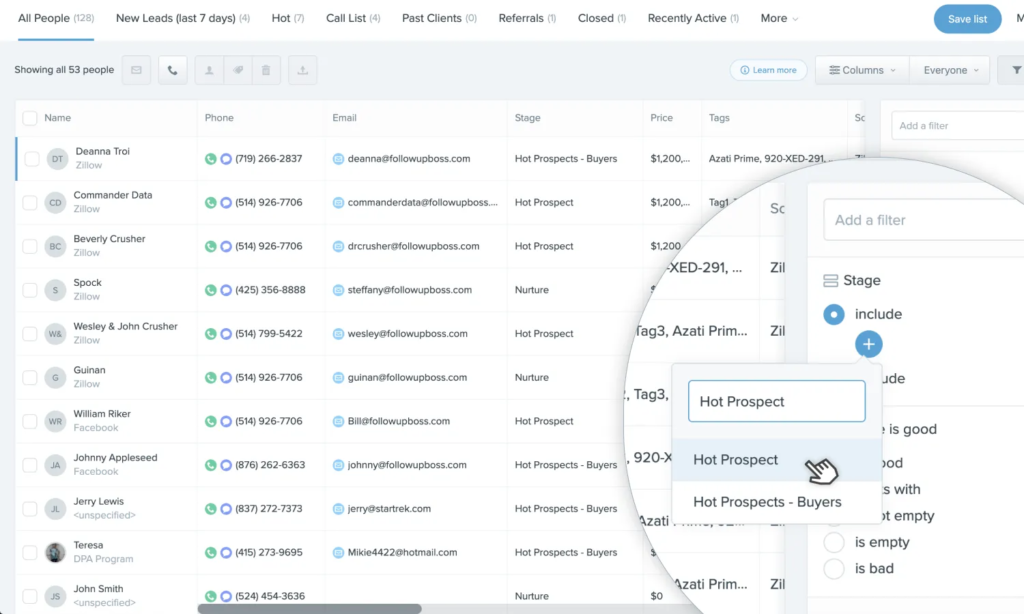
Follow Up Boss is built specifically for real estate agents. It focuses on lead management and communication.
Key Features
- Lead tracking
- Text messaging
- Email automation
- Pipeline management
- Team collaboration
Why is it Useful
Real estate leads often require multiple follow-ups before closing.
Best For
It is best for Busy agents handling many leads.
3. Marketing Automation: Mailchimp
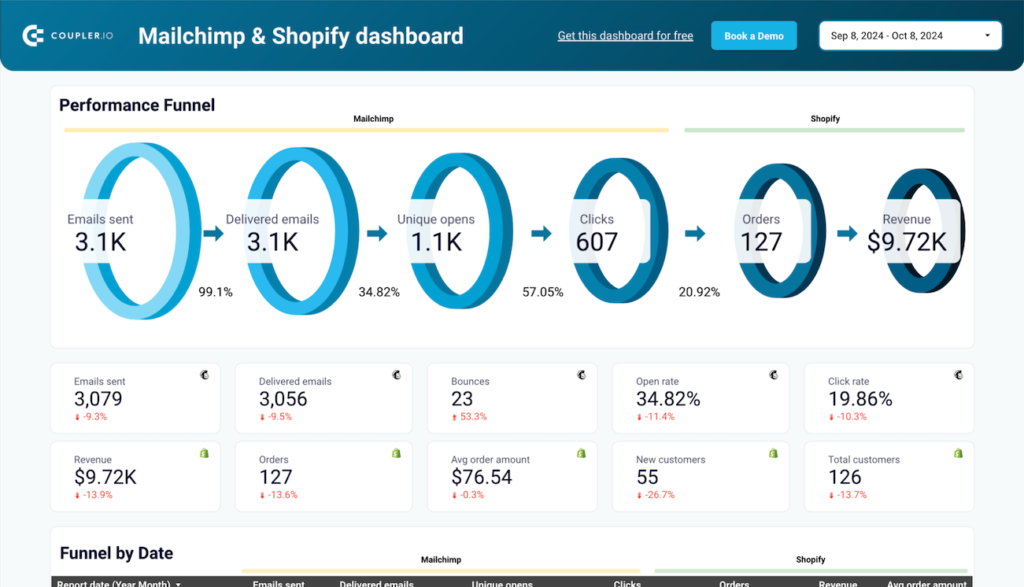
Email marketing remains one of the most effective ways to stay in touch with clients. Mailchimp helps agents send newsletters and listing updates.
Key Features
- Email campaigns
- Automation
- Templates
- Analytics
- Audience segmentation
Why is it Useful
It keeps agents top-of-mind with clients.
Best For
It is best for Lead nurturing.
4. E-Signature Tools: DocuSign
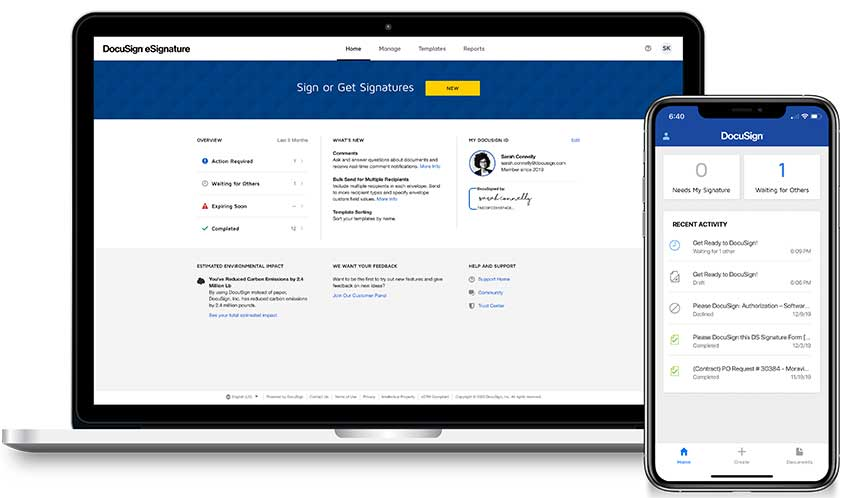
Real estate involves significant paperwork. DocuSign allows agents to send and sign documents digitally.
Key Features
- Digital signatures
- Document tracking
- Templates
- Mobile signing
- Secure storage
Why is it Useful
It speeds up transactions.
Best For
It is best for closing deals faster.
Automation tools like DocuSign reduce delays and improve efficiency.
5. Scheduling Tools: Calendly

Scheduling showings and meetings can be time-consuming. Calendly automates appointment scheduling.
Key Features
- Appointment booking
- Calendar sync
- Reminders
- Time zone detection
- Meeting links
Why is it Useful
It reduces back-and-forth communication.
Best For
It is best for busy agents.
6. Listing Platforms: Zillow
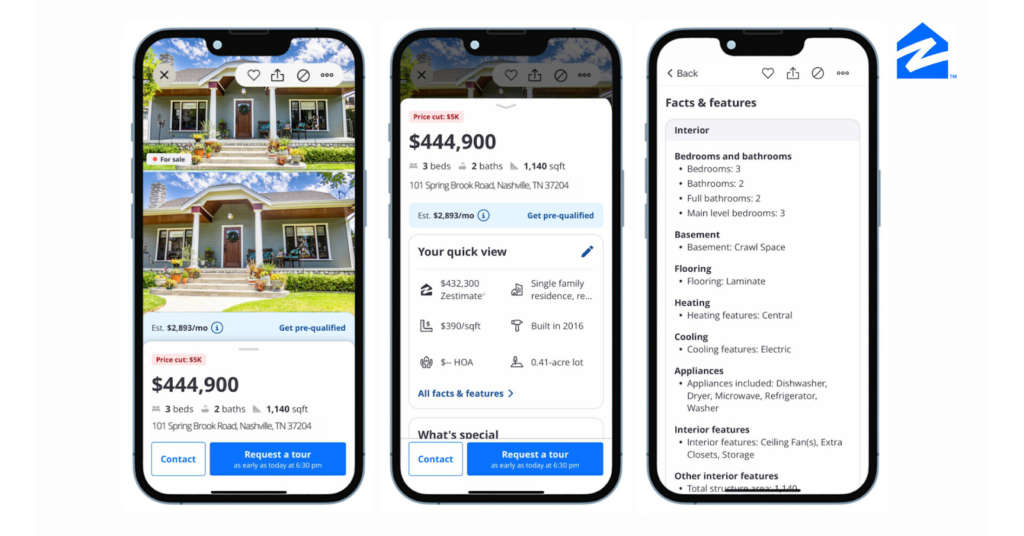
Online listings are essential for visibility. Zillow helps agents reach buyers.
Key Features
- Property listings
- Lead generation
- Market insights
- Advertising
- Agent profiles
Why is it Useful
It increases exposure.
Best For
It is best for Lead generation.
7. Transaction Management: Dotloop
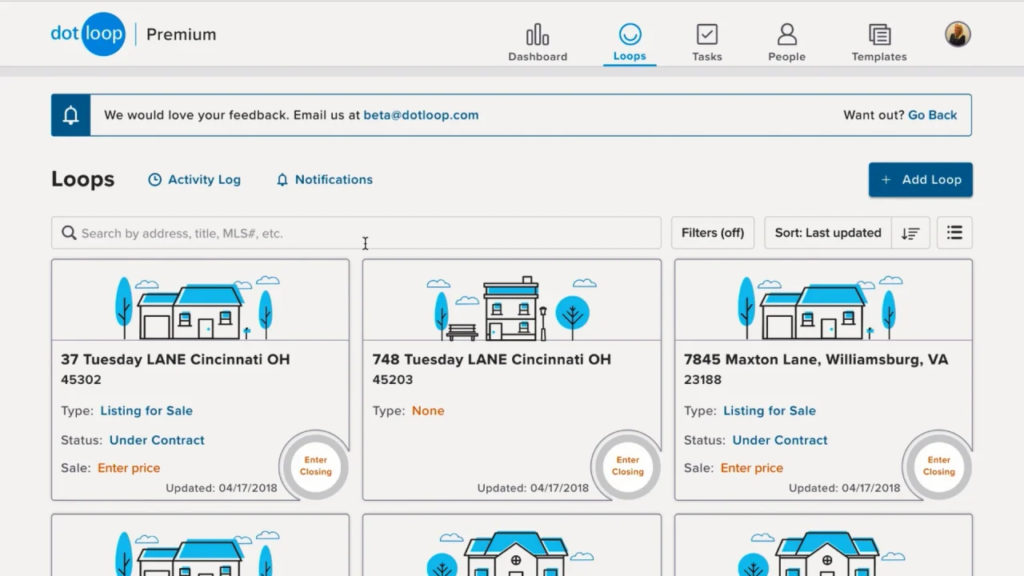
Dotloop streamlines transaction management, which involves multiple documents and deadlines.
Key Features
- Document storage
- Task tracking
- Collaboration
- Compliance
- Workflow automation
Why is it Useful
It keeps deals organized.
Best For
It is best for transaction coordination.
8. Website Builders: Wix

Agents need personal websites. Wix helps them to create professional sites.
Key Features
- Templates
- SEO tools
- Hosting
- Custom pages
- Contact forms
Why is it Useful
It builds credibility.
Best For
It is best for personal branding.
How These Tools Work Together
Most successful agents use multiple tools:
CRM → Lead management
Email → Marketing
DocuSign → Contracts
Calendly → Scheduling
Dotloop → Transactions
Together, these tools create a complete workflow.
Benefits of SaaS for Real Estate Agents
Real estate agents using SaaS tools experience the following benefits:
- Better organization
- Faster closings
- More leads
- Better communication
- Less paperwork
- More automation
These benefits enable agents to focus on clients rather than administrative tasks.
How to Choose the Right Tools
When choosing tools, consider:
- Budget
- Team size
- Technical skills
- Business model
- Lead volume
The best tools match your workflow.
Real Estate SaaS Trends in 2026
The trends that are shaping real estate SaaS are:
- Automation
- AI recommendations
- Mobile tools
- Virtual tours
- CRM integration
- Cloud documents
These trends make agents more efficient.
Common Mistakes Agents Make
Agents often make mistakes like;
- Use too many tools
- Skip CRM systems
- Forget follow-ups
- Avoid automation
- Ignore analytics
The right tools prevent these issues.
Final Verdict
Real estate in 2026 is powered by technology. Agents who rely on manual systems risk falling behind competitors who use automation and data-driven tools.
As discussed in previous Saasreviewer articles, from cybersecurity tools to HR platforms, the right SaaS tools help businesses operate more efficiently. For real estate agents, these tools streamline workflows and improve client relationships.
The best setup for most agents includes:
CRM → Follow Up Boss or HubSpot
Email → Mailchimp
Scheduling → Calendly
Documents → DocuSign
Transactions → Dotloop
With the right SaaS stack, real estate agents can close more deals and grow their business faster.
FAQs
1. What are SaaS tools for real estate agents?
SaaS tools for real estate agents are cloud-based software platforms that help agents manage leads, automate marketing, track client interactions, and streamline property transactions. These tools usually include CRM systems, marketing automation, analytics dashboards, and transaction management features designed specifically for real estate businesses.
2. Why do real estate agents use SaaS tools?
Real estate agents use SaaS tools to automate repetitive tasks, manage leads efficiently, and improve client communication. These platforms help agents track property listings, schedule follow-ups, and close deals faster by centralizing business operations in one place.
3. What features should a real estate SaaS platform include?
A good real estate SaaS tool should include:
- Lead management and CRM
- Email and marketing automation
- Property listing integration (MLS/IDX)
- Transaction and document management
- Analytics and reporting
- Mobile access
These features help agents manage clients and track deals across the entire sales cycle.
4. What is the best CRM SaaS tool for real estate agents?
Some of the most popular CRM SaaS tools used by real estate professionals include:
- Wise Agent
- Pipedrive
- Follow Up Boss
- Market Leader
- Propertybase
These platforms help agents manage contacts, automate follow-ups, and track transactions efficiently.
5. Are there free SaaS tools for real estate agents?
Yes. Several SaaS tools offer free plans or free trials. For example, many CRM platforms offer limited free tiers with features such as contact management, email tracking, and pipeline management. These free versions are ideal for new agents or small real estate teams.
6. How much do real estate SaaS tools cost?
Pricing for real estate SaaS tools typically ranges from $20 to $100 per user per month, depending on the features, integrations, and automation capabilities. Some platforms also offer enterprise plans for large brokerages.
7. Can SaaS tools help real estate agents generate leads?
Yes. Many SaaS platforms include built-in lead-generation tools, such as landing pages, automated follow-ups, email marketing campaigns, and integrations with real estate marketplaces like Zillow or Realtor.com. These features help agents capture and nurture potential buyers and sellers.
8. Do SaaS tools support real estate marketing automation?
Most modern SaaS tools offer marketing automation features, including automated email campaigns, SMS follow-ups, social media scheduling, and client segmentation. These tools help agents stay in touch with prospects and increase conversion rates.
9. Are SaaS tools suitable for small real estate teams?
Yes. SaaS tools are ideal for solo agents, small teams, and large brokerages because they scale easily. Agents can start with basic features and upgrade as their business grows.
10. How do SaaS tools improve real estate productivity?
SaaS platforms improve productivity by automating routine tasks such as lead tracking, appointment scheduling, document management, and follow-ups. This allows agents to focus more on closing deals and building client relationships.