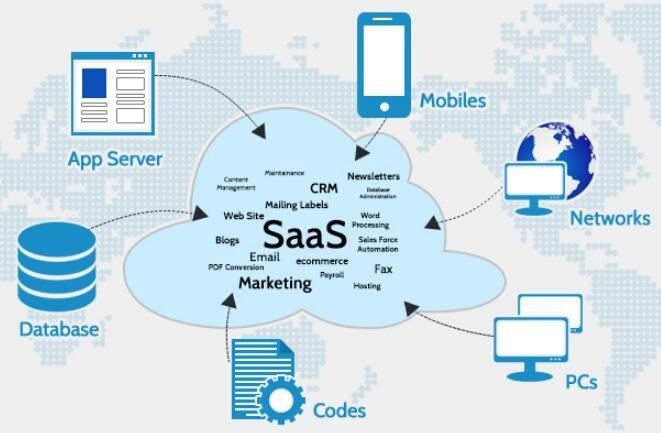
Software-as-a-Service (SaaS) has become the backbone of modern enterprise operations, enabling companies to scale efficiently while reducing IT overhead. Yet, for many organizations, the cost of SaaS subscriptions remains a significant line item in the annual budget.
With vendors increasingly sophisticated in pricing models, negotiating the best deal for enterprise-level SaaS can be both an art and a science.
In this guide, we will break down actionable strategies for negotiating SaaS pricing, avoiding hidden fees, and maximizing enterprise discounts, building on insights from previous articles like Before entering a negotiation, it’s essential to understand different [SaaS pricing models] so you know where you can ask for discounts.
Understanding SaaS Pricing Models

Before entering any negotiation, understanding how SaaS vendors structure their pricing is critical. There are four primary models used by enterprise SaaS providers in 2026:
- Per-user Pricing: This traditional model charges based on the number of users. While easy to calculate, it can quickly become expensive as teams scale.
- Tiered or Package Pricing: Vendors offer features in bundled tiers—basic, professional, and enterprise. Negotiations here can focus on unlocking enterprise-level features at lower tiers.
- Usage-based Pricing: Costs are linked to actual usage, such as API calls, data storage, or active seats. Enterprises can optimize spending by forecasting usage.
- Flat or Enterprise Agreements: Some SaaS providers offer fixed annual contracts for unlimited usage, often including premium support and custom SLAs.
Understanding these models allows procurement teams to identify leverage points. For example, vendors who primarily sell per-user subscriptions may be more flexible on volume discounts, while usage-based pricing can benefit from precise usage data analysis. Enterprise tools like Salesforce can be costly; however, you can often [negotiate enterprise discounts] if you know the right strategies.
Step 1: Prepare With Benchmarking Data
Negotiation starts long before the meeting with the vendor. Collecting benchmark data is essential:
- Market Research: Examine what competitors are paying for similar SaaS solutions. Articles like Top 5 Free SaaS Alternatives to Expensive Enterprise Software provide a useful baseline for cost comparisons.
- Internal Usage Metrics: Document your current usage patterns, active user count, and projected growth. Accurate internal data strengthens your position.
- Third-party Reviews and Ratings: Insights from platforms like SaaSworthy or G2 can highlight average enterprise pricing ranges and common negotiation successes.
Armed with benchmarking data, your negotiation is backed by objective evidence rather than subjective perception, which vendors respect.
Step 2: Engage Early and Build Relationships
For enterprise SaaS negotiations, timing and relationship-building matter:
- Engage Early: Start discussions at least 60–90 days before the contract renewal. Vendors are more flexible when they see potential revenue at risk.
- Identify the Right Contacts: Negotiations should involve decision-makers, account executives, sales managers, and procurement officers.
- Establish Trust: Vendors are more likely to offer concessions to clients with a history of consistent payments and positive engagement.
A proactive approach demonstrates that your organization values the relationship, rather than treating SaaS as a commodity.
Step 3: Use Volume and Commitment as Leverage
One of the most effective ways to secure enterprise discounts is by leveraging scale:
- Bulk Licensing Discounts: Vendors often provide tiered discounts for large seat counts. For example, if you plan to scale from 100 to 500 users, negotiate a stepped discount.
- Long-term Commitments: Offering a 2–3 year contract in exchange for lower annual pricing is a common strategy. It provides the vendor with revenue predictability and your company with cost savings.
- Bundled Services: If a vendor offers multiple SaaS solutions (e.g., CRM, analytics, marketing automation), negotiate a bundle discount rather than contracting separately.
The key is to quantify your commitment clearly. A vendor is far more likely to offer a discount when they see a guaranteed revenue increase.
Step 4: Ask About Hidden Costs and Opt-out Clauses
Many SaaS agreements include fees that are easy to overlook:
- Onboarding Fees: Some vendors charge initial setup or training fees.
- Overage Charges: Usage-based SaaS can include fees for exceeding limits.
- Feature Add-ons: Optional modules can add high costs if purchased later.
Negotiating upfront transparency is essential. Ask vendors to outline all potential charges, and request contractual clauses that allow for opt-outs or renegotiation in case usage falls short.
Previous guidance from How to Cancel a SaaS Subscription Without Hidden Fees emphasizes that knowing your exit options is a critical part of negotiation.
Step 5: Negotiate for Custom Terms
Enterprise SaaS agreements often include standard terms. Negotiating customization can result in both financial and operational benefits:
- SLAs and Support Levels: Request premium support or guaranteed uptime in exchange for a longer commitment or higher volume.
- Payment Terms: Annual prepayment may offer a discount, but quarterly or semi-annual payments might suit cash flow better.
- Feature Access: Negotiate early access to new modules or API integrations as part of your enterprise agreement.
Remember, vendors often have more flexibility than it appears. Tailoring the agreement can create a win-win scenario.
Step 6: Leverage Competitive Alternatives
Even if your team prefers a particular SaaS provider, knowledge of competitive options can improve your leverage:
- Identify Competitors: Referencing alternatives, including free or lower-cost SaaS, signals to the vendor that you are informed.
- Request Price Matching: Many vendors will match or beat competitor offers to retain enterprise clients.
- Evaluate Feature Gaps: If a competitor offers a unique feature at a lower price, this strengthens your negotiation position.
Companies can compare feature parity and pricing before committing to costly enterprise contracts.
Step 7: Prepare for Multi-Round Negotiations
Enterprise SaaS pricing rarely settles in a single meeting:
- Set Clear Objectives: Know your target price, ideal features, and must-have contract terms.
- Use Incremental Concessions: Vendors often respond better to structured negotiation, with concessions given over several rounds.
- Document Every Discussion: Ensure all verbal commitments are captured in emails or the contract draft.
Patience is essential. Enterprise vendors are used to negotiations taking weeks, and pushing too hard, too fast can backfire.
Step 8: Consider Professional Assistance
Large-scale SaaS agreements may benefit from expert guidance:
- SaaS Procurement Consultants: Specialized professionals understand vendor psychology, pricing models, and negotiation tactics.
- Legal Review: Contracts can include clauses that significantly affect costs, like automatic renewals, arbitration clauses, or liability limitations.
- Cross-department Collaboration: Involve finance, IT, and operations teams to assess total cost of ownership (TCO) rather than focusing solely on sticker price.
Expert input often uncovers savings opportunities that internal teams might overlook, especially when scaling SaaS across multiple departments.
Step 9: Document and Standardize Negotiation Outcomes
Once you secure favorable terms, standardize your process for future negotiations:
- Maintain a Negotiation Playbook: Document successful strategies, discount thresholds, and vendor-specific tactics.
- Track Vendor Performance: Compare SLA adherence, support response times, and feature delivery against contractual promises.
- Re-evaluate Annually: SaaS pricing evolves quickly; what was a great deal in 2026 might be suboptimal in 2027.
A structured approach ensures each renewal benefits from experience, strengthening your enterprise’s procurement strategy.
Real-world Example: Negotiating a CRM Solution
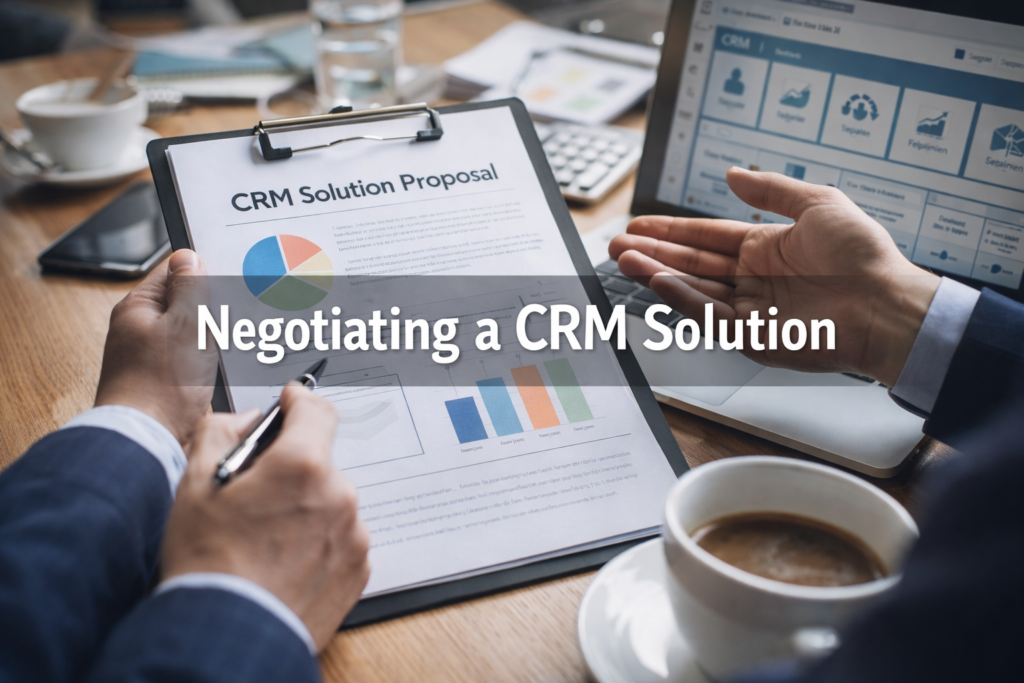
Consider a US-based mid-size enterprise negotiating with a leading CRM provider. The company:
- Conducted benchmark research on per-user pricing and competitor offerings.
- Committed to a 3-year contract covering 500 users, requesting volume discounts.
- Negotiated early access to advanced analytics modules and premium support.
- Included an opt-out clause if user adoption fell below 80%.
The result? A 25% reduction in annual costs, access to premium features, and a flexible exit option. It is a textbook example of strategic enterprise negotiation.
Key Takeaways
- Know the Pricing Model: Identify leverage points across per-user, tiered, usage-based, and flat-rate agreements.
- Benchmark Before You Negotiate: Use competitor data, internal usage metrics, and review platforms to strengthen your position.
- Leverage Volume and Commitment: Scale, term length, and bundling often unlock significant discounts.
- Ensure Transparency: Hidden fees and overage charges can erode savings if not addressed upfront.
- Negotiate Custom Terms: SLAs, feature access, and payment terms are negotiable and often overlooked.
- Use Competition Strategically: Awareness of alternatives improves leverage.
- Document and Learn: Treat each negotiation as a template for future SaaS contracts.
By applying these principles, enterprises in the US can negotiate SaaS pricing more effectively, maximize discounts, and ensure alignment between cost, features, and long-term operational goals.
FAQs
1. What is the best time to negotiate SaaS pricing for enterprise agreements?
The optimal time is 60–90 days before contract renewal. Vendors are more flexible when they see potential revenue at risk, and early discussions allow ample time to explore discounts or custom terms.
2. Can we negotiate SaaS pricing even for popular, large-scale platforms?
Yes. Even top SaaS vendors often provide volume discounts, bundled deals, or flexible payment terms for enterprise clients. Large-scale commitments or multi-year contracts increase your leverage.
3. How do volume discounts work for enterprise SaaS subscriptions?
Volume discounts are based on the number of users, seats, or modules purchased. The more users or services you commit to, the higher the potential discount. Some vendors offer stepped discounts at certain thresholds (e.g., 100, 250, 500 users).
4. Should we focus only on subscription cost when negotiating?
No. Consider the total cost of ownership (TCO), including onboarding fees, overage charges, premium support, training, and add-on modules. Negotiating these factors can often result in greater savings than focusing solely on the subscription price.
5. How can competitive SaaS alternatives help in negotiation?
Knowing competitor pricing, features, and packages signals to vendors that you are informed. Vendors may match or beat competitor offers to retain your business, improving your negotiation position.
6. Is it worth committing to multi-year SaaS contracts for discounts?
Yes, multi-year commitments often unlock substantial savings. However, ensure the contract includes opt-out clauses or flexible terms in case your usage or organizational needs change.
7. What role do SLAs and support levels play in negotiation?
Negotiating SLAs (service level agreements) and premium support ensures you get guaranteed uptime, response times, and priority assistance. These terms are often negotiable and can add significant operational value.
8. How can we avoid hidden fees in enterprise SaaS agreements?
Request full transparency on onboarding fees, overage charges, optional modules, and automatic renewals. Document all agreed-upon terms in writing to prevent unexpected costs.
9. Should we involve legal or procurement teams in SaaS negotiations?
Absolutely. Legal teams can review contracts for clauses that impact costs or liability, while procurement teams can strategize volume discounts, multi-year terms, and payment structures.
10. How can past negotiation experiences improve future SaaS deals?
Maintain a negotiation playbook documenting successful strategies, discount thresholds, and vendor-specific tactics. Tracking vendor performance against SLAs also informs renewal negotiations, ensuring continuous cost optimization.