

Software costs are a major part of today’s economy, so it is important to choose the pricing option that fits your business so you can manage your budget and get long-term value from the software you purchase. Most SaaS (software as a service) businesses offer only two common billing cycles: monthly and annually. However, this can impact your cash flow and flexibility. You should understand these billing models to make an educated choice for growth.
By reading this guide, you will gain valuable insight into determining the best plan for your individual business needs. Freelancers and small companies tend to struggle with this issue in their early stages of development. The following sections will outline the pros and cons of both billing cycles to assist you in making smart decisions about how to maximize your return on investment (ROI) through proper billing practices.
Understanding SaaS Pricing Models
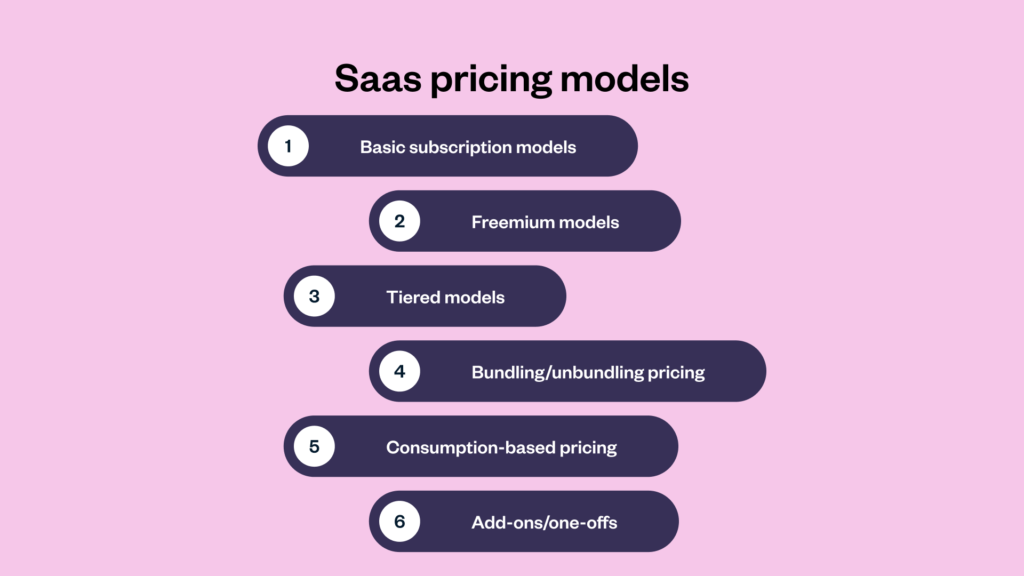
SaaS pricing is done through a subscription model for many end-users. An example of that would be paying a monthly or yearly fee for access to cloud-based software rather than buying it outright, which will give you the option to be continuously updated and protected with the most recent updates & patches provided to you by your provider (who does all the behind-the-scenes maintenance, etc.). Two of the most common billing cycles you will encounter are:
- A) Monthly Pricing Cycle: You will pay a fixed rate each month on a thirty-day cycle.
- B) Yearly Pricing Cycle: You will pay one charge for a twelve-month service contract.
Depending on your business goals and needs, either of these billing cycles has significant advantages over the other. Therefore, take the time to analyze your needs based on your usage pattern before you sign any type of agreement.
Monthly SaaS Pricing: Flexibility First
A fixed monthly price gives customers both flexibility and low risk. You can cancel your plan at any time while paying a defined amount each month to have full access to the service. Customers looking to avoid signing long-term contracts tend to be attracted to the model of having a defined monthly price.
Advantages of Monthly Pricing
- Low Initial Commitment: You have the ability to try out a new tool without a lot of money up front.
- Easy Cancellation: If the tool does not work for you, you can stop making payments.
- Better Cash Flow Management: The payment of smaller amounts is easier to budget for each month.
- Perfect for Short Term Needs: Using a pay-as-you-use model is better suited for temporary projects.
Disadvantages of Monthly Pricing
- Higher Overall Cost: You pay extra for the ability to cancel any time you want.
- Low Incentive to Develop Skills Using the Tool: Customers tend to give up on using tools before they learn all the functionality.
- Uncertainty in Your Budget: The accumulation of small recurring costs across multiple software platforms can become significant.
Yearly SaaS Pricing: Long-Term Value
With yearly pricing, you must make a full upfront payment for an entire year’s worth of use to the vendor. In exchange for this vendor commitment, SaaS vendors offer to provide significant discounts. You receive long-term cost reduction and long-term stability in return for your long-term commitment.
Advantages of Yearly Pricing
- Significant Cost Savings: Most vendors provide discounts that range from 15% to 40%.
- Predictable Monthly Expenses: With one annual payment, managing your finances from an accounting perspective is much easier.
- Greater Commitment to the Vendor: You will spend more time using the tool and developing your skills so that you not only are able to use the tool, but also develop long-term relationships with the providers.
Disadvantages of Yearly Pricing
- High Upfront Cost: Large payments can strain a limited startup budget.
- Risk of Poor Fit: You lose money if you stop using the tool mid-year.
- Reduced Flexibility: Changes in your business strategy might make the tool obsolete.
The Psychology of Choice: Why Plans Differ
Pricing strategies affecting how SaaS vendors offer different packages are heavily influenced by Psychological Factors. For example, most vendors will show you the higher monthly price first as a strategy to make their discounted 12-month pricing seem more appealing. Additionally, companies often use the Decoy Effect by creating a basic package that, although priced lower, does not provide the key features that you need, forcing you to choose to upgrade to the professional package.
You should take the time to evaluate your personal needs for using the software and what would be the best fit for your team, regardless of how many discounts you get on different packages, if you are going to only use the software occasionally.
Monthly vs Yearly: Side-by-Side Comparison
| Factor | Monthly Pricing | Yearly Pricing |
| Upfront Cost | Low | High |
| Flexibility | Very High | Low |
| Long-term Cost | Higher | Lower |
| Best For | Testing & Short Projects | Essential Tools |
| Commitment | Minimal | Strong |
| Cash Flow | Predictable Monthly | Significant Annual |
Export to Sheets
Which Pricing Model Is Right for You?
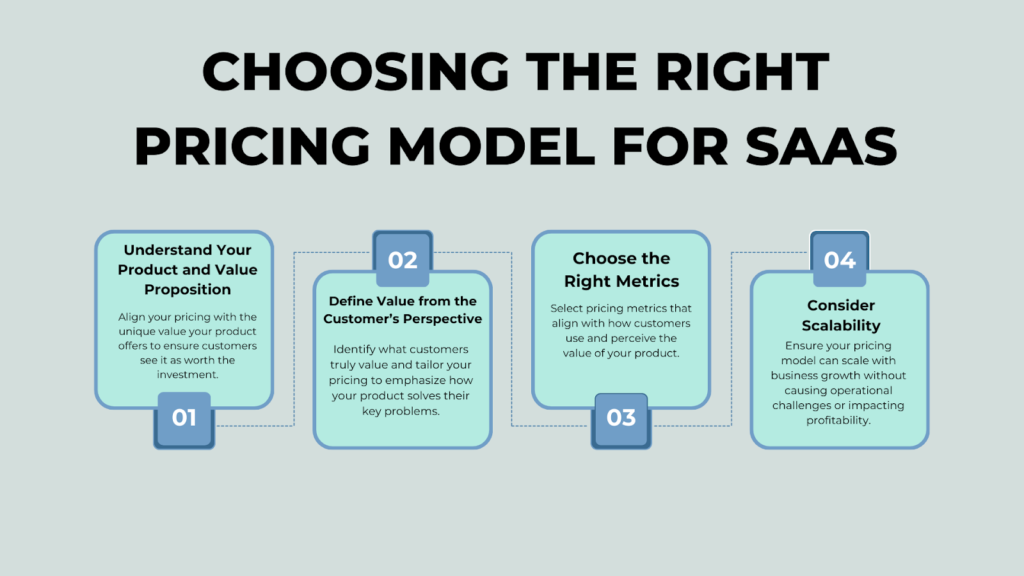
Depending on your unique situation, the best option is based on your financial constraints. Don’t just look at the price tag of a product!
Choose Monthly Pricing If:
- You test a software product for the first time today
- Your project is expected to be completed within a defined timeframe
- You value having the ability to change software quickly, if you choose to do so
- You are a self-employed individual who has a variable income flow
- You would like your initial costs as low as possible
Choose Yearly Pricing If:
- You trust the software, and its proven features
- You intend to use the software for over 6 months
- You would like to limit your total annual software expense
- Your current business needs are consistent through the end of the year
- You have sufficient cash to cover your upfront cost
Smart Strategy: The Hybrid Approach
Well-established individuals use a good transition plan to save money. Start off using an initial monthly plan for up to 60 days. This will provide you with the opportunity to try all features and sample the support available from this product. After you determine that this product has provided value, switch to an annual contract. This is an excellent way to test the product and a very affordable way to enter into a contract for the long term.
Why SaaS Companies Offer Both Options
SaaS companies use different pricing tiers to manage their own business growth. They offer both monthly and yearly options to reach a wider audience.
- New User Attraction: Monthly plans lower the barrier to entry for cautious buyers.
- Customer Retention: Yearly plans reduce the chance that a user will switch to a competitor.
- Cash Flow Stability: Annual payments provide immediate capital for product development.
- Relationship Building: Long-term contracts help companies understand user needs better.
Common Mistakes Users Make When Choosing Pricing
Many users lose money because they rush their pricing decisions. You should avoid these common pitfalls to protect your bottom line.
- Buying Yearly Too Soon: You pay for a year before you even know if the tool works.
- Staying Monthly Too Long: You overpay for an essential tool for years.
- Ignoring Future Scalability: The plan you choose today might not fit your team tomorrow.
- Failing to Compare Costs: You forget to calculate the total price difference over twelve months.
- Valuing Flexibility Over Logic: You pay extra for freedom you never actually use.
Advanced Negotiation Tips for Enterprise Yearly Plans
Enterprise users possess more negotiating power than many realize, and with most vendors, there is a good chance that you could negotiate alternative pricing structures that go beyond simple discounts by asking the vendor for “Service Level Agreements” (SLAs) to ensure that the service you receive continues to be available at acceptable levels.
Additionally, it’s appropriate to ask for a price cap for renewal contracts to protect against excessive price increases. If you are part of an organization with a large number of employees or have a need for a large number of licenses, you should request a volume discount based on your total number of employee/user accounts/licenses.
The ROI Factor: Calculating Your True Savings
The Return on Investment (ROI), in terms of your company’s digital tools, is the primary metric used when determining how successful a software solution has been. The ROI for a digital tool can be calculated by comparing the total cost of the tool against the business value associated with it. For example, if a tool saves your employees ten hours of time each week, then it represents a significant value to your organization, no matter how much the tool actually costs.
Total SaaS ROI% = (Total Cost × (Total Benefits – Total Costs)) × 100
Remember to include any training and migration costs when calculating the ROI. Generally speaking, annual subscriptions provide a greater ROI than monthly subscriptions due to their lower base price.
Final Thoughts
Businesses may wish to utilize both monthly and yearly software payment options depending on their specific requirements. However, some significant factors can impact the use of a developer’s product during a trial period, such as a monthly payment plan, allow business to explore multiple solutions before committing to a longer-term agreement.
A year-long payment plan provides a working budget that is more cost-efficient than an as-needed basis for their day-to-day operations, making it necessary for the user to evaluate their anticipated length of use based on available budget.
Frequently Asked Questions (FAQs)
What is the most common SaaS pricing model?
The subscription model dominates the market today. Most companies offer monthly or yearly fees to provide predictable costs for their users.
Is monthly SaaS pricing better than yearly pricing?
The answer depends on your current goals. Monthly plans offer flexibility for testers. Yearly plans offer deep discounts for power users.
Why do SaaS companies offer discounts on yearly plans?
Companies want to ensure you stay with them for a long time. They offer lower rates to improve their own cash flow and reduce customer turnover.
Can I switch from a monthly plan to a yearly plan later?
Most platforms allow you to upgrade your account at any time. This allows you to test the software before you commit to a full year.
Is a yearly SaaS subscription worth it for small businesses?
Annual plans are worth the cost if the software is essential to your daily work. The savings help you reinvest money back into your business growth.
What are the risks of choosing a yearly SaaS plan?
You might pay for a tool that your team dislikes. You also lose the ability to change software if a better competitor emerges.
Which SaaS pricing model is best for beginners?
Beginners should always start with a monthly plan. This prevents wasted money on tools that are too complex or unnecessary.
How do I decide between monthly vs yearly SaaS pricing?
You should ask if you will use the tool daily. You must also check if you have the budget for a large upfront payment.
Does yearly SaaS pricing always save money?
Yearly plans save money only if you use the service for at least eight to ten months. Short-term use makes the monthly rate a better deal.
Should I choose pricing based only on cost?
Cost is only one factor in your decision. You must also consider feature access and the quality of customer support.
Pingback: Free vs. Paid SaaS: When Is It Worth Upgrading?
Pingback: How to Negotiate SaaS Pricing for Better Enterprise Discounts in 2026