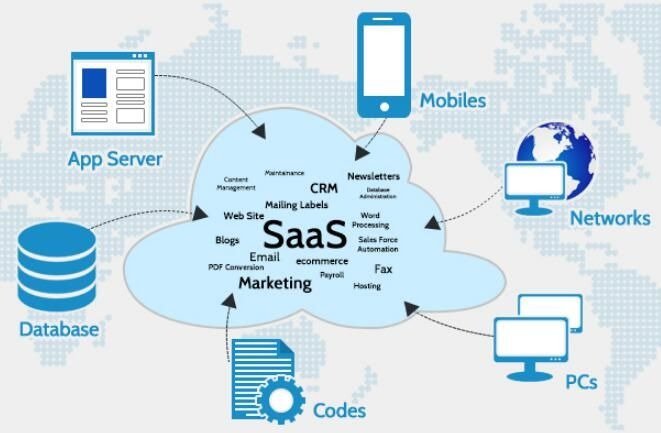
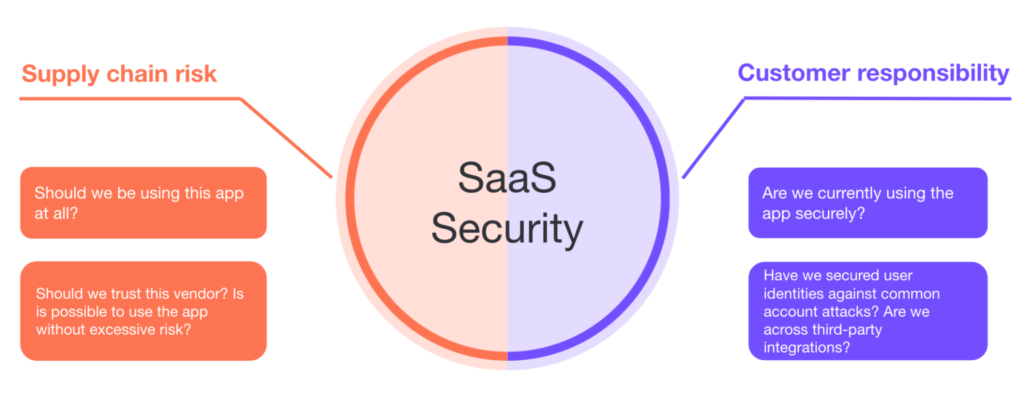
SaaS Platforms Dominate Our Business Operations. As of 2026, the SaaS platform powers nearly all areas of business operations.
Companies rely heavily on cloud-based applications for managing data, teams, and customers, using everything from CRM applications and accounting tools to project management and AI-powered automation systems.
Cybersecurity Issues are Increasing. As the number of companies using SaaS continues to grow, so too do the risks associated with using SaaS.
Cybersecurity concerns associated with SaaS, such as data breaches and ransomware attacks, along with vulnerabilities when using APIs and misconfigurations of the cloud, contribute to an ever-growing list of security concerns for businesses today. Security, privacy, and compliance should be an integral part of all software purchasing decisions.
Why SaaS Security Matters More Than Ever?
Cloud-based software provides users with the advantages of being flexible, scalable, and cost-effective. However, these same benefits alter how security responsibilities are handled.
SaaS is built on a shared responsibility model, which means that while a SaaS vendor is responsible for the infrastructure behind a SaaS application, SaaS customers are ultimately responsible for their own user access, permissions, configuration, and internal security practices.
If a company’s SaaS security management is not effective, it could face many consequences:
- Data breaches
- Lack of trust from their customers
- Loss of financial resources
- Potential violations of GDPR or HIPAA
- Period of enhanced downtime or operational disruption
As more and more organizations opt for cloud-based systems, security evaluations have become an essential part of every software purchasing decision.
Our SaaS Security Evaluation Framework
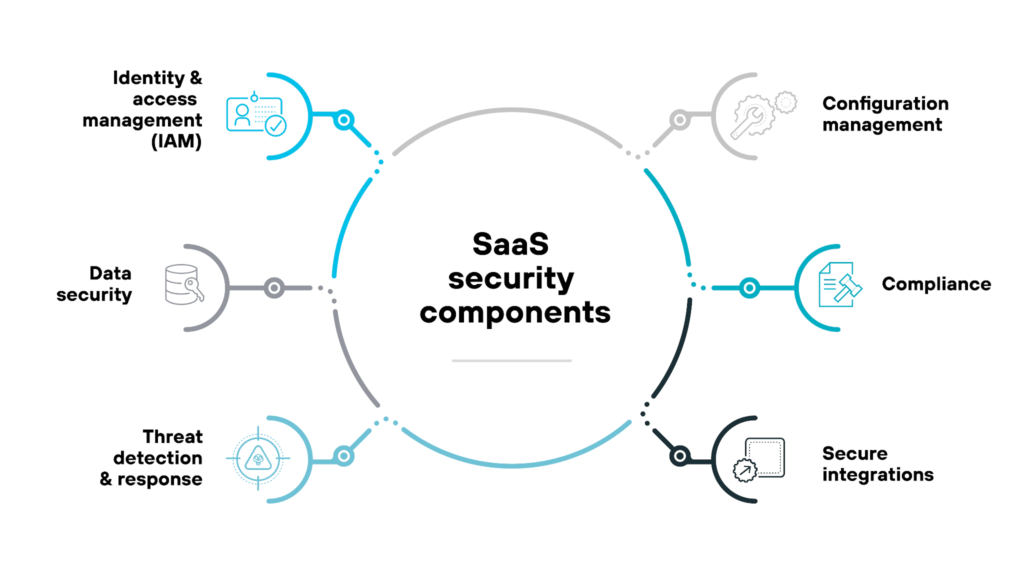
Encryption Standard Practices
Encryption is indicative of an overall level of security present when using a SaaS platform, and all of the vendors’ protections with respect to your data are verified for both encryption while in transit and for protection while stored on the servers.
What is Evaluated for Encryption Protection?
Encryption of Data in Transit: Is data being transmitted using secure HTTPS connections? Is modern encryption (TLS 1.2 or TLS 1.3) being used to encrypt your data in transit to the SaaS provider’s infrastructure?
Encryption of Data at Rest: If your customer data has been saved, will it be saved using an encryption standard such as AES-256 or an equivalent standard, such as location-based or database-level access controls?
Key Management Practices
Most reputable Vendors have secure key-management practices in place, such as using Hardware Security Modules (HSMs), regularly rotated keys (monthly or quarterly), and allowing customers to manage their own keys.
If the Encryption standards used by the SaaS provider cannot be verified or are not adequately documented, then significant security issues may arise.
Identity & Access Management
A large number of cybersecurity events occur due to poor control of access to systems instead of trying to hack directly into a system.
Therefore, managing someone’s identity is important to our evaluation process.
MFA – Multi-Factor Authentication
We look to see if MFA is available and if it offers the use of either an authenticator app or a hardware security key.
RBAC – Role-Based Access Control
A good SaaS platform will let you configure custom roles for your users and offer you fine-grained control over their permissions.
SSO – Single Sign On
We will also look for certification at the enterprise level through standards like:
- SAML 2.0
- OAuth integration
- Identity provider compatibility
Zero Trust Security
Most SaaS platforms today should conduct on-going verification checks of their users to provide them with access after they log-in instead of setting user trust after a user logs-in. This will include session monitoring, time out controls and detection of suspicious activity when a user logs-in.
Compliance & Security Certifications
Security certifications demonstrate whether a company follows structured security processes and independent auditing standards.
We review compliance documentation for:
- SOC 2 Type II
- ISO 27001
- GDPR compliance
- HIPAA compliance
- PCI DSS certification
If a vendor claims compliance without proof or documentation, transparency becomes questionable.
Infrastructure & Cloud Security
A secure SaaS platform must operate on a hardened cloud infrastructure with strong network protection.
What We Analyze
We review:
- Cloud hosting providers
- Web Application Firewalls (WAF)
- Intrusion Detection Systems (IDS)
- Intrusion Prevention Systems (IPS)
- DDoS mitigation systems
- Environment segmentation
We also check whether production and testing environments are properly isolated to reduce risk exposure.
Vulnerability Management & Penetration Testing
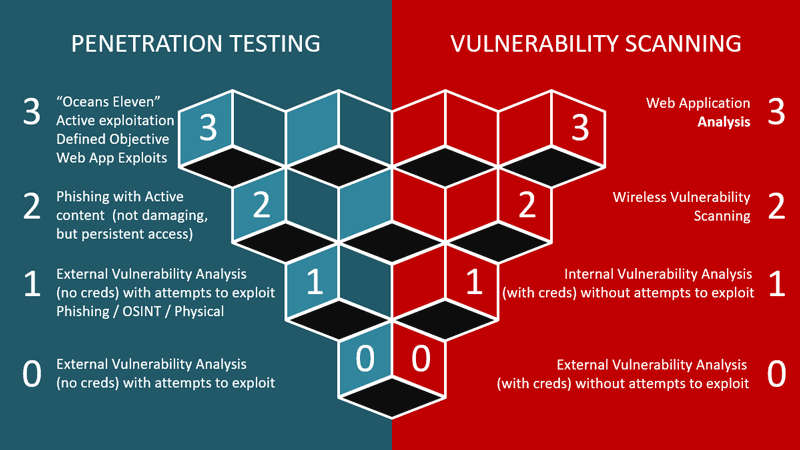
Security is not a one-time process. Reliable SaaS vendors continuously test and improve their systems.
Key Areas We Review
- Third-party penetration testing frequency
- Automated vulnerability scanning
- Patch management timelines
- Public disclosure policies
We also evaluate how quickly vendors respond to critical vulnerabilities and whether they maintain transparent security advisories.
A mature security program treats testing as an ongoing process rather than a yearly checkbox.
Backup & Disaster Recovery
Even highly secure platforms can fail without proper recovery systems. We carefully analyze how vendors handle business continuity and disaster recovery planning.
Backup & Recovery Areas
We review whether platforms provide:
- Real-time replication
- Daily backups
- Off-site backup storage
Recovery Objectives
We assess:
- Recovery Time Objective (RTO)
- Recovery Point Objective (RPO)
These metrics determine how quickly systems can recover after a failure and how much data loss is acceptable.
A strong disaster recovery strategy is essential for operational stability.
Data Privacy & Ownership
Security protects your data, but it is privacy that determines how your data will be used and the limits placed on its usage.
When we review vendor privacy policies, we want to know:
- Who owns the customer data?
- Is it possible to export your data?
- How will your data be disposed of after the account is terminated?
- Will your deletion request be permanently honored?
Application Security
Most SaaS systems use an API, web apps, and browsers to access their services. These media are also among the most common targets of attacks.
What We Assess
We ensure that vendors protect against common vulnerabilities such as:
- Cross-Site Scripting (XSS)
- CSRF (Cross-Site Request Forgery) Attacks
- Abuse of API
- Injecting Attacks
- Broken Authentication
We also check to see if vendors perform the following tests:
- Static Application Security Tests (SAST) and Dynamic Application Security Tests (DAST).
- Even though application security is one of the most targeted vectors of attack, it is often ignored.
Monitoring & Incident Response
Fast threat detection can significantly reduce the impact of security incidents.
We evaluate whether vendors provide:
- Real-time activity monitoring
- Centralized logging systems
- SIEM integrations
- Suspicious activity alerts
- 24/7 incident response capabilities
We also review how vendors communicate during breaches and whether customers receive transparent incident reporting.
Vendor Transparency & Security Culture
Technology alone does not guarantee security. A company’s internal culture often determines how seriously it treats risk management.
We assess:
- Presence of a dedicated security leadership team
- Employee security training programs
- Insider threat prevention measures
- Public security documentation
- Security communication transparency
Strong security culture usually reflects long-term operational maturity.
Red Flags We Never Ignore
Some warning signs immediately lower our trust in a SaaS vendor.
These include:
- No public security documentation
- No MFA support
- Weak privacy policies
- Lack of compliance certifications
- Poor breach communication history
- Negative reports about data handling
Silence around security is never a good sign.
The Shared Responsibility Model
Poor internal practices can make even a highly trusted SaaS service susceptible to attack.
Companies still need to:
- Enable multi-factor authentication
- Deactivate users who no longer work for you
- Conduct periodic reviews of user access
- Track and audit administrative activity
- Keep staff educated on phishing threats.
The protection of SaaS data is dependent on active participation from both the end-user and the SaaS provider.
The Future of SaaS Security
Cybersecurity continues to evolve rapidly, especially with the rise of AI-powered attacks and cloud-native infrastructures.
Some major trends shaping SaaS security include:
- AI-driven threat detection
- Zero Trust Architecture
- Behavioral biometrics
- Cloud-native security automation
- Secure Access Service Edge (SASE)
Final Thoughts
Failing to understand the security posture of a SaaS solution before making a purchase decision is a recipe for disaster, especially with how advanced technology is now.
A platform may appear to offer great functionality and design, but if its encryption is weak, there are no controls on who can access your data, or there is no privacy policy in place, these could lead to long-lasting problems for you down the road.
Security should never be considered only an add-on element. Rather, it needs to be evaluated when choosing a software solution, just like any other part of the decision-making process. The safest software will tend to be the software you can trust the most.